
As the car wash industry continues to expand, operators aiming to boost profitability are turning to data-driven site selection. Strategic placement is no longer just about finding a busy road. It’s about understanding shifting consumer habits, local demographics, and evolving commuting patterns to secure long-term returns.
According to industry experts, a successful car wash location balances high visibility with detailed analysis of local demographics and traffic patterns. By applying data-driven criteria to site selection, franchise operators can position their businesses to meet both current customer needs and future demand.
Strategic location selection drives consistent performance
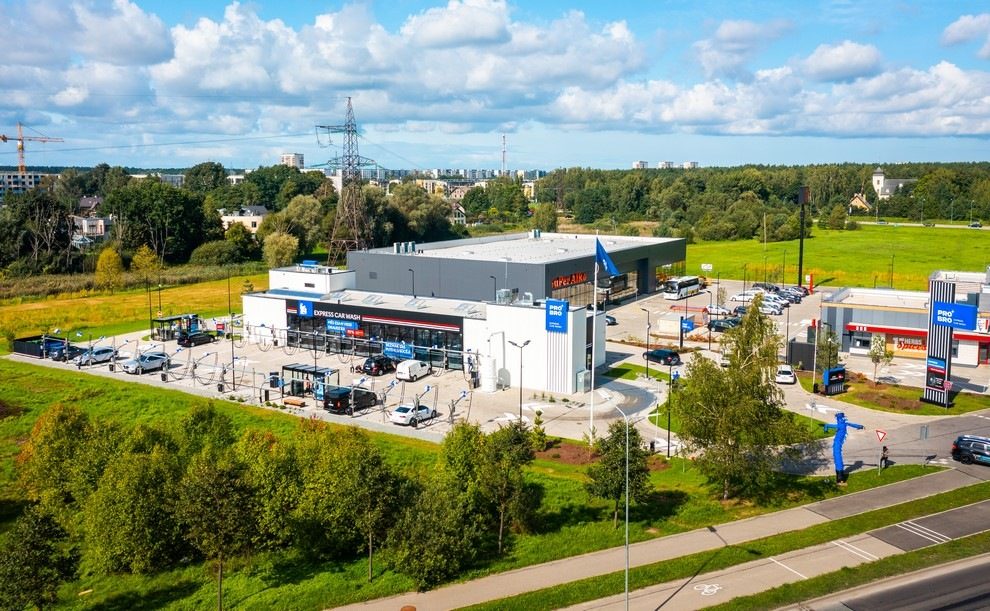
The performance of any car wash depends heavily on location, not just visibility or ease of access, but also on a deeper understanding of local customer habits. “The modern consumer values speed, convenience, and consistent quality, which drives demand for express tunnel car washes strategically located along high-traffic urban and suburban routes,” says Kristijonas Bakutis, Head of Business Development at PRO BRO Express, one of the fastest-growing international franchise networks of express tunnel car washes in Europe. “As cities become more densely populated and commuting habits evolve, sites near residential areas, retail hubs, and main intersections have become increasingly optimal.” New express tunnel formats are also designed with this mind shift, supporting high-capacity operations and featuring models capable of serving around 450,000 cars per year.
Operators are also focusing on demographic indicators such as vehicle ownership, above-average household incomes, and strong retail activity. These are all markers of areas that can support higher car wash volumes. “Beyond consumer preference, express tunnel car washes also contribute to urban sustainability,” Kristijonas adds. “By encouraging regular, professional car cleaning in designated facilities, PRO BRO car washes reduce the number of pollutants such as oil, chemicals, and dirt being washed off into public streets and stormwater systems. Cleaner cars mean cleaner roads, which ultimately leads to cleaner cities.”
Data-driven approach to location analysis
Modern site selection requires more than simply finding a busy street. Operators now harness a wide range of analytics, from traffic patterns and household data to competitive presence and neighborhood development plans. This reduces uncertainty and helps identify the best opportunities. Understanding both who the local customers are and how they move through the area informs smarter placement and tailored offerings.
“Operators use data to identify areas with both high traffic and a strong propensity for car wash use,” Kristijonas explains. This means assessing not only where people are driving but also who they are: their routines, buying behaviors, and likelihood of regular visits. Reviewing land use, vehicle registration rates, and local business mixes can help spot unserved or underserved markets.
Complementary businesses nearby, such as grocers, gas stations, or retail hubs, can elevate visibility and attract spur-of-the-moment customers. Sites with good ingress and egress and the ability to serve various vehicle types rank highly, particularly as consumer expectations for convenience continue to rise.
Future-proofing car wash sites
Operators seeking long-term profitability should also consider how their sites will perform as cities and consumer habits change. Choosing locations near upcoming commercial developments or in neighborhoods expected to grow can help ensure a steady customer base over time. Factoring in evolving transportation needs, such as increased demand for electric vehicle services, can also give a site long-term appeal.
Kristijonas emphasizes the importance of looking ahead when choosing a site. “What makes a location valuable today may change in five years,” he says. He recommends studying municipal development plans, population growth forecasts, and upcoming infrastructure investments to identify locations likely to remain in demand over time. It can help protect the business from shifts in traffic patterns or changes in the local area.
Trends like the rise in electric vehicle ownership also influence long-term planning. Operators who choose sites with sufficient space for features such as EV charging stations are better prepared to meet future needs and remain competitive as the market evolves.
-
 2026/06/2979% of Polish Drivers Willing to Pay for Faster Car Washes: New Study Reveals Demand Surge
 -
 2026/06/15Car Wash Market Set to Grow from €31 to €47 Billion: Express Tunnels Reshape Investment Landscape
 -
 2026/06/15Franchising Shows Four Times Greater Resilience Than Independent Businesses During Economic Uncertainty
 -
 2026/06/15PRO BRO Eyes Poland with Franchise Insight from Former McDonald’s Executive João Noronha Lopes